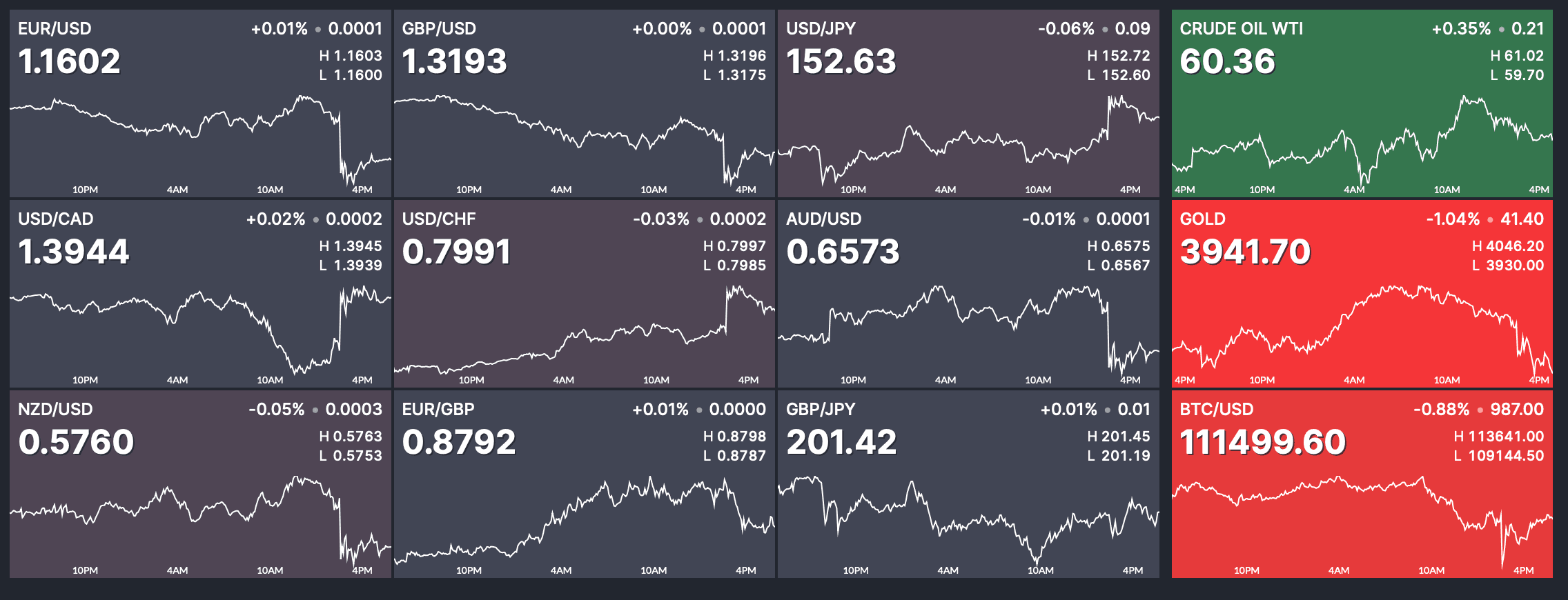
Are Fx Markets Going Quiet??
For decades the Fx market was known for its wild swings and moments when currencies could move sharply within minutes that could create both chaos and opportunity, but those days may be fading. New advancements in the world of finance from algorithmic trading to just more efficient infrastructure has resulted in a significant decrease in volatility. Back in the day, mispriced pairs used to take hour or maybe even days to correct but now they only take seconds to stabilise.
Even as equities and bonds globally continue to swing with macro and geopolitical shocks, volatility in this $7.5 trillion-a-day market has fallen close to its lowest levels in a year.

So, is this calm the market’s strength or its biggest risk?
The Upside: Stability and Efficiency
- •Stability for businesses: Importers, exporters, and other multinationals are all quietly celebrating. From their perspective, a more predictable exchange rate leads to lower hedging costs and smoother financial planning.
- •Reduced systemic risk: Lower volatility also reduces the chances of large chain reactions that can destabilize banks, funds, or entire economies. Central banks and policymakers prefer stability over turmoil, and technology seems to be delivering exactly that.
- •More efficient markets: Electronic trading and algorithmic liquidity provision have tightened spreads and improved price discovery. Execution is faster, cheaper, and more transparent and the markets have never been this efficient.
The Downside: A Calm That Cuts Both Ways
- •Less opportunity for traders: FX traders thrive on volatility. Big moves create massive profit potential. As swings in Fx fade, the margins on these trades also shrink. It could lead to market makers exiting the Fx market due to better returns in other asset classes.
- •Hidden fragility: the reduction in volatility could also be deceiving. When machines suppress day to day noise, pressure builds beneath the system. And when this stress finally breaks through, the result can be sharp and brutal. For instance, the Swiss National Bank de-pegged the Swiss Franc in 2015, the currency surged by 30% in thirty minutes. This was the biggest one-day moves in modern Fx history. It left the stock markets in disarray and liquidity had evaporated. Many brokers were just unable to quote prices and some like Alpari UK and FXCM went broke with massive client loses.
- •Mispriced risk: Artificial calm can breed complacency. Investors pile on massive amounts of leverage, assuming everything is stable, until it isn’t. Low volatility today can set the stage for tomorrow’s crisis.
The Bigger Picture
What we are witnessing here is a structural shift. Fx is no longer the adrenaline fuelled arena it once was. Algorithms now dominate trading floors and they reacting faster than humans ever could.
The calm may look comforting at first but it’s also eerie.
So yes, technology may be killing FX volatility. But whether that’s a sign of progress or a warning of what’s to come, that is still up for debate.


